Inventory Supplies for Small Business
Shelving, bins, counters, and inventory management gear.
As an Amazon Associate I earn from qualifying purchases.
A backroom that works saves hours every week and prevents the sale you lose because you could not find the item. The foundation is simple: adjustable shelving, bins you can see into, a label on every location, and a way to count quickly — by hand, with a tally counter, or with a barcode scanner.
Lay out stock by how often it moves. Fast sellers go at waist to eye height nearest the shop floor, slow sellers go high, and backup stock goes low or at the back. Give every bin a location code and put that code in your inventory records, so a count is a walk down the aisle rather than a search.
Count little and often. A cycle count of a few bins a day catches errors while they are small and avoids closing for a full stocktake. Our guide to physical inventory counts explains how to set one up.
What to look for when buying
- Wire shelving is cheaper, adjustable and easier to keep clean than wood.
- Clear or open-front bins let you see stock levels at a glance.
- Label every shelf location, not only the products.
- A tally counter or scanner speeds up counts once you have more than a few dozen items.
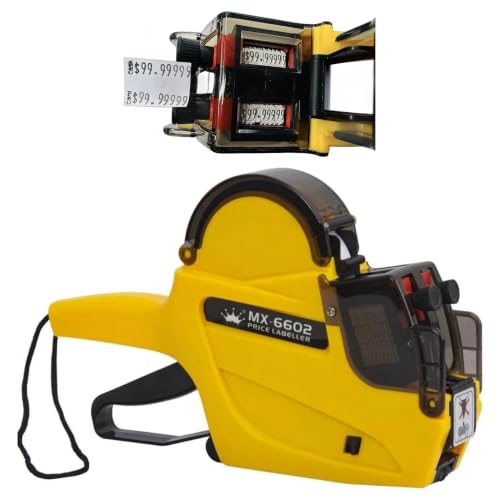
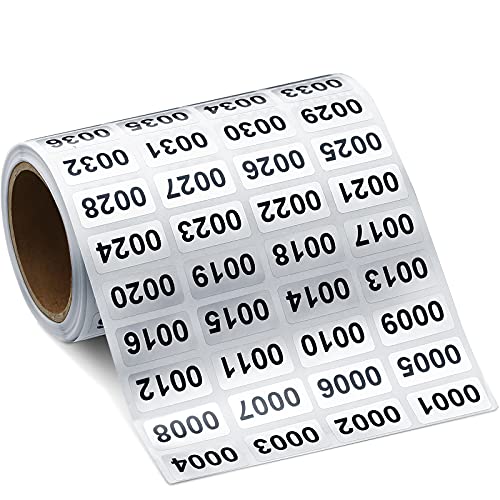
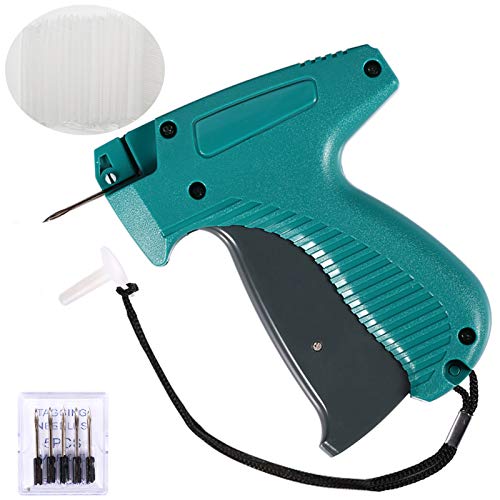
Our picks on Amazon







Frequently asked questions
How should a small shop organise its stockroom?
By sales speed: fast movers closest and at eye level, slow movers high, backup stock low. Label every location so anyone can find an item.
How often should I count inventory?
A full count at least yearly for tax purposes, plus regular cycle counts of your most valuable and fastest-moving items.
When do I need a barcode scanner?
When you carry enough items that typing codes or searching by name slows counts down — typically a few hundred SKUs.
Related Categories
Auto Shop
Tools, storage, and shop gear for independent mechanics.
Barcode Scanners
USB, wireless, and 2D barcode scanners for inventory and POS.
Cash Drawers
Point-of-sale cash drawers and till trays for retail.
Contractor & Field
Rugged, portable gear for contractors and field service.
Card Readers
Mobile card readers and payment terminals for small business.
Etsy & Craft
Craft, packaging, and shipping supplies for handmade sellers.
Work out the numbers first
As an Amazon Associate, ExpressBizTools earns from qualifying purchases.